Five Minutes with... Em Frank
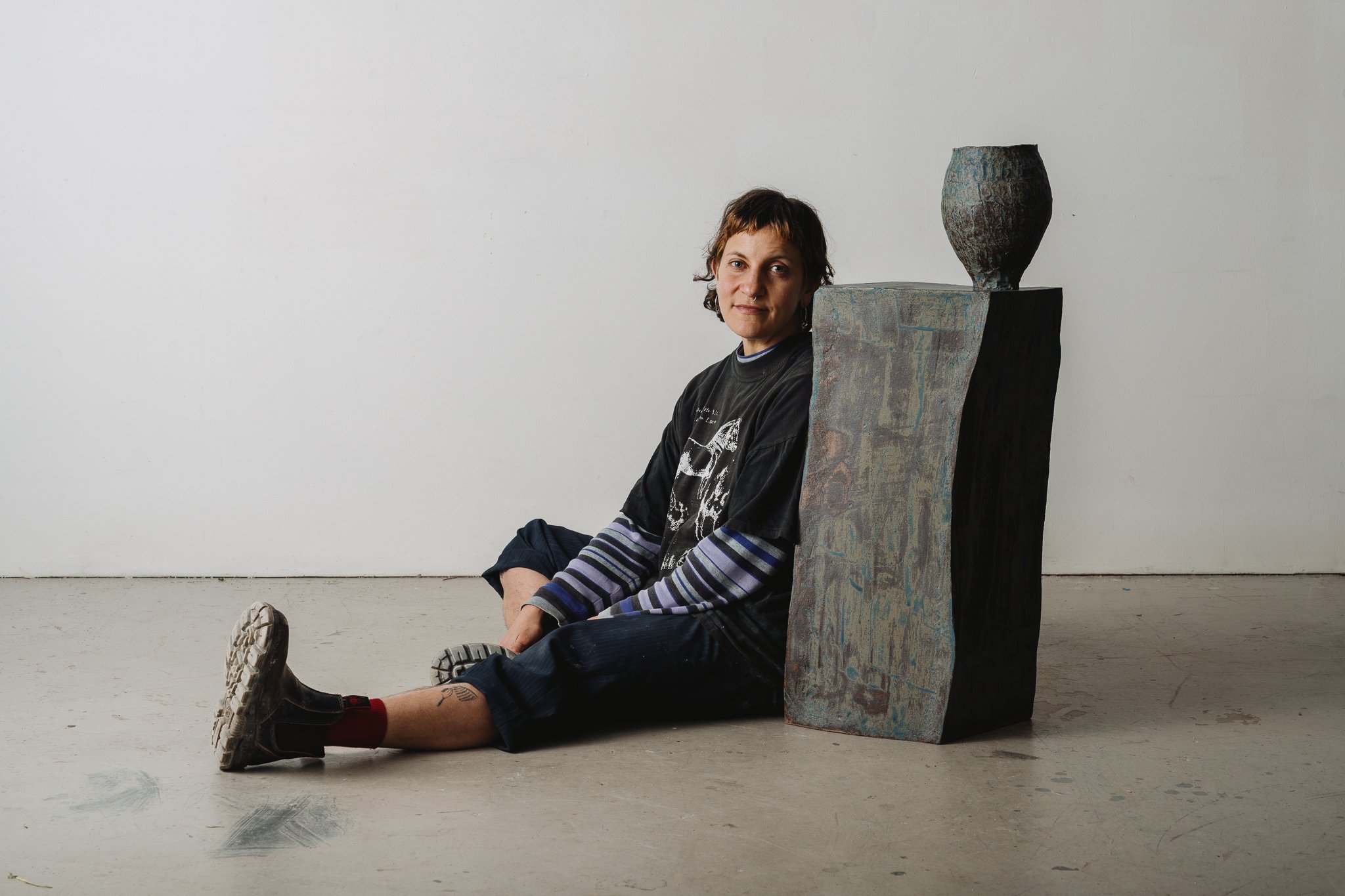
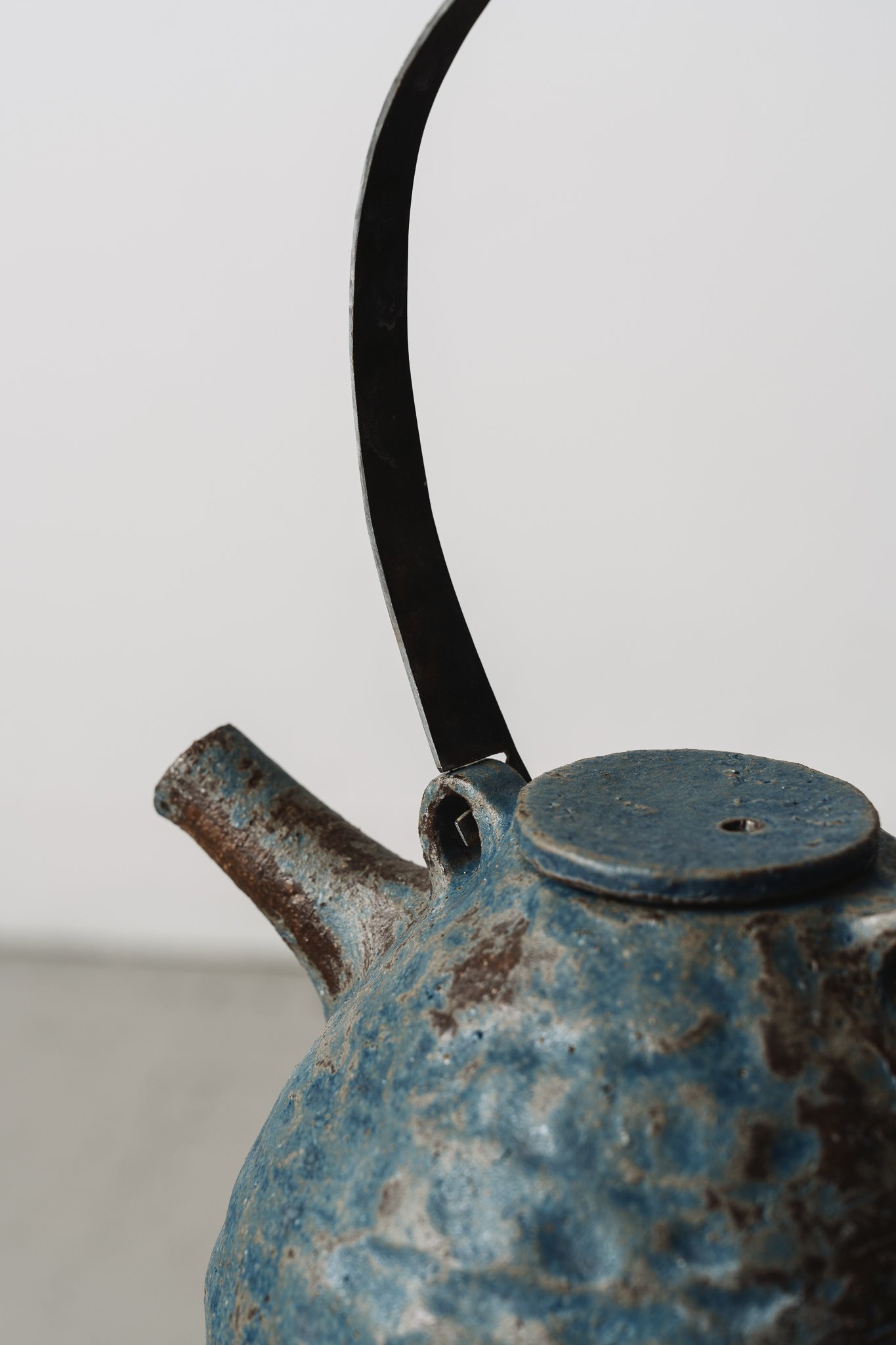
Em Frank works across ceramics, sculpture and mixed media. Her practice is driven by material intrigue and a continuous cycle of discovery, where each resolution forms a starting point for the next inquiry. Over a decade working with community art centres has shaped her approach to making, grounding her practise in collaboration and creative exchange.
Em is particularly interested in the conversations that occur between objects, and the way materials carry histories, status, and modes of being. Her work explores how these narratives may be activated and subverted. It considers how shifts in context and function continually renegotiate the value assigned to materials and objects.
Can you introduce yourself and your practice?
I am a multidisciplinary artist working across ceramics, metal and mixed media. Lately I’ve been thinking about how meaning is assigned and unsettled through shifts in contexts, and how this can be expressed in a material sense.
It is through this lens that I’ve been working with discarded and low-status materials, like old car parts, diamond plate and corrugated iron. I’m interested in the histories materials carry, the social and political stories they hold, and how these meanings might change depending on how they are framed or used.
What inspired this series of work?
I made this work during a recent residency in Mparntwe / Alice Springs. The spatial presence of the plinths is a response to the teetering stacks of burnt-out cars that form corridors into remote community tips. Im fascinated by the sculptural quality of tips and rubbish heaps, and the window they provide into human behaviour and meaning making.
What drew you to the forms and shapes in these pieces?
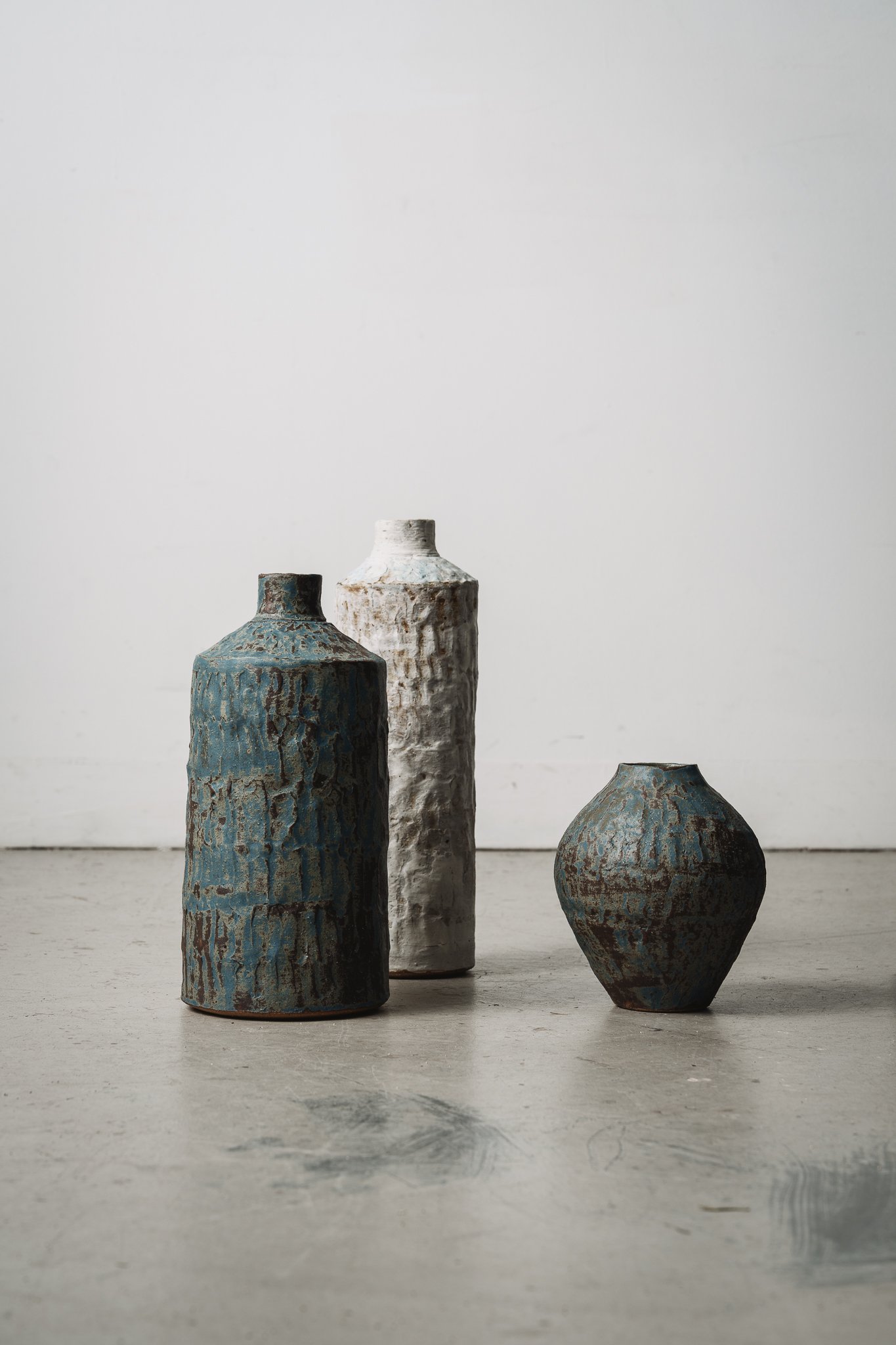
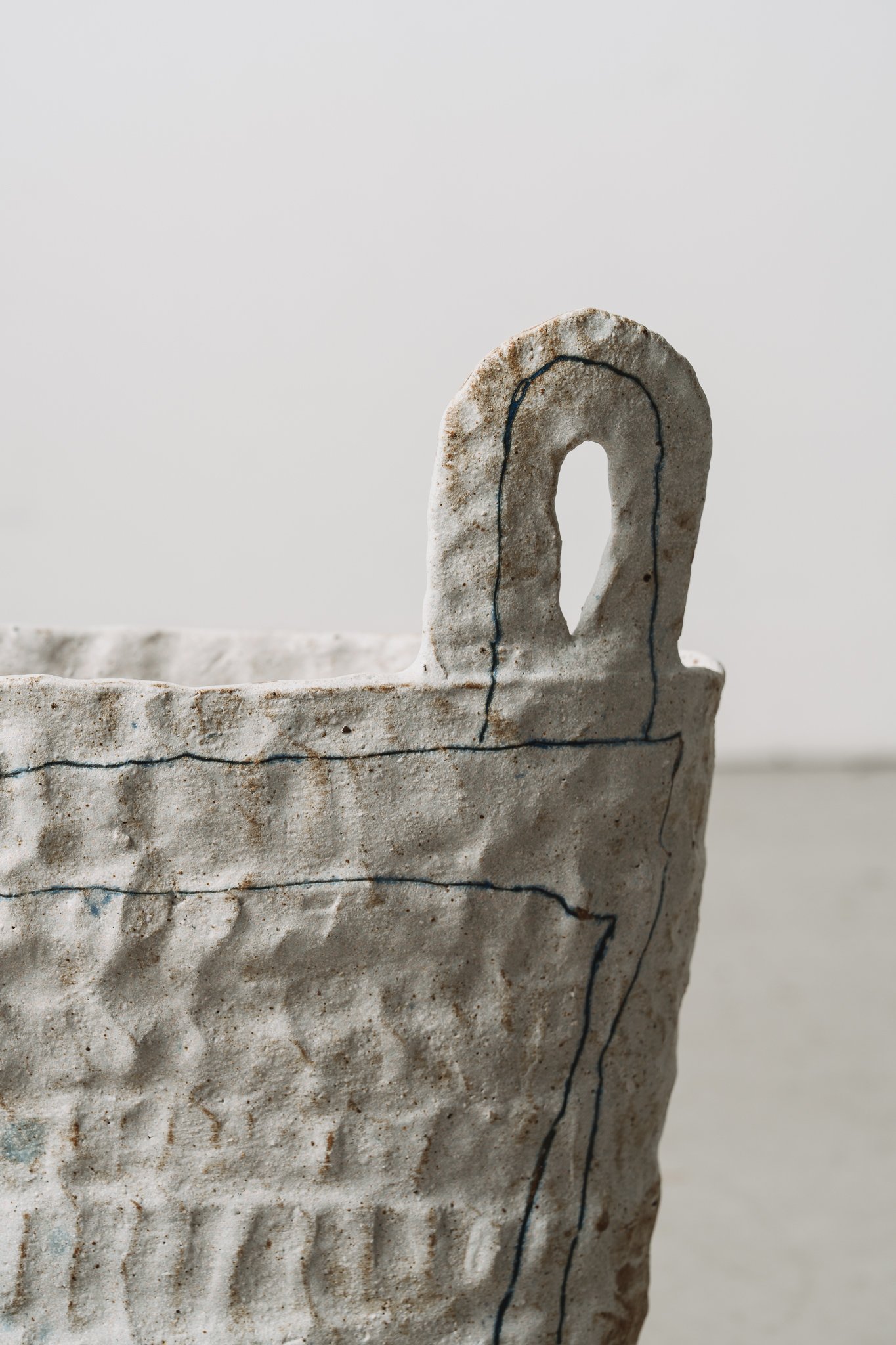
In general, I’m drawn to simple forms and rich surfaces. For this work I was interested in making vessels for holding and carrying. I was thinking about the various containers Ive dug up from tip sites to carry home the materials I’ve collected. Cracked plastic tubs, dented flour tins and discarded shopping bags have all served this purpose.
What do you enjoy most about working with clay?
The material expansiveness. I love the iterative cycles of inquiry and making, where each resolved project seems to initiate the next investigation. There is always another question or possibility on the horizon.
How does experimentation play a role in your making process?
I’m always experimenting, tinkering and testing (perhaps too much!) I have multiple half investigated ideas running in different directions at all times.
I do a lot of scribbling to jot down ideas and thoughts. I tend to make lots of work, then spend time playing with assemblages, pairing things back and imagining different ways it might all come together.
How does this exhibition reflect where your practice is at right now?
My glaze surfaces and the interaction between metal and clay are a product of the last few years of research and making at JamFactory.
This exhibition consolidates these material investigations, while also opening up new possibilities regarding scale and the intersection of objects and furniture.
Im excited about the possibilities of assemblage and the way a form can be altered by its relationship to another. Within this way of working, negative space expands and builds on the exisiting visual language.